Stable particles, controlled fines and format-specific instructions
Fiber selection and forming conditions need to support the intended balance of surface feel, absorbency and integrity.
Private-Label Paper Cat Litter
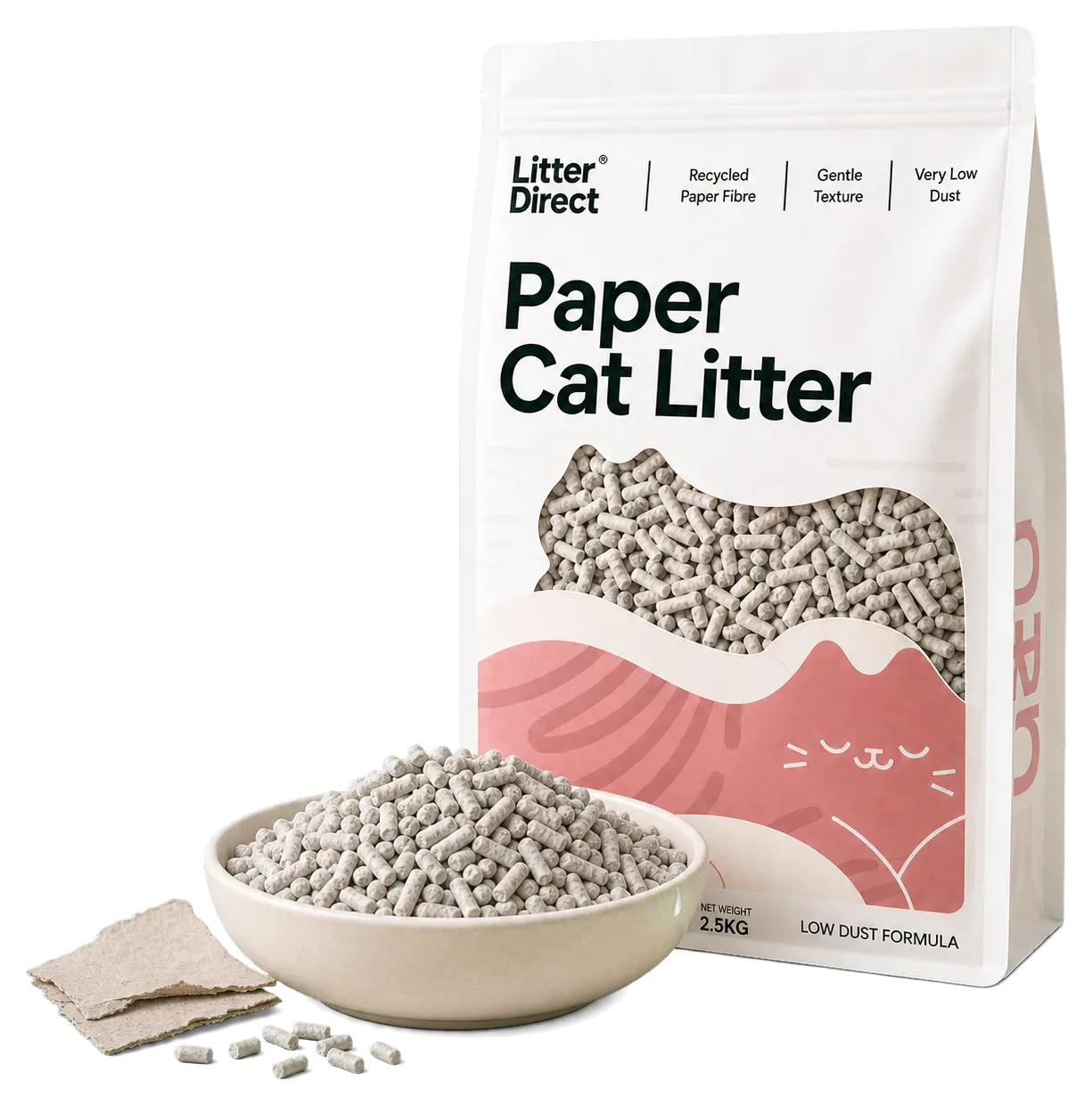
Paper cat litter is formed from processed paper fiber into absorbent pellets or granules. Fiber source, particle density, wet strength and fines criteria can be specified for non-clumping or specialty clumping formats.
Product overview
Processed paper fiber can be formed into pellets or granules with different dimensions, densities and surface textures. Conventional paper pellets absorb liquid without forming a scoopable clump, while specialty clumping products require a separate binder system.
Whatever surface texture is specified, the finished particles need enough integrity for packing, pouring and daily use. Buyers can compare liquid uptake, wet strength, breakdown and loose fines after packing so that claims and care instructions reflect the approved product.
Fiber selection and forming conditions need to support the intended balance of surface feel, absorbency and integrity.
Paper litter is a good fit for ranges that explain the replacement routine and substantiate material and low-fines claims.
Product Knowledge
Paper litter can look similar across brands, yet fiber source, density and forming method change how particles feel, absorb liquid and hold together. These details matter when comparing pellets, fine granules and specialty clumping formulas.
Processed paper fiber can be formed into particles with different sizes, densities and surface textures. Forming and drying conditions influence whether those particles remain intact during packing, transport and daily use.
Many paper pellets absorb liquid without forming a conventional scoopable clump, while specialty formulas may use binders or a different particle structure. Fiber specifications and available recycled-content documentation help support accurate private-label claims.
Surface texture depends on fiber processing and particle shape, while the finished particle still needs enough dry and wet strength for practical handling. Pellets that crumble too readily can leave loose fiber in the bag or tray.
Paper litter does not contain mineral clay, although broken particles and loose paper fiber can still occur. Credible low-dust claims reflect measured results from the final packed product.
With non-clumping paper pellets, solid waste is removed and wetted or spent material is replaced according to the product directions. Absorption capacity, pellet breakdown and odor development all influence this routine.
Clumping paper litter requires separate scoopability testing and clearly differentiated instructions. Liquid spread, particle breakdown, tray residue and ease of removal provide a more useful performance picture than an absorption claim without stated test conditions.
The specification records the paper-fiber source and any documented recycled content.
Forming conditions and density influence pellet integrity, surface texture and liquid uptake.
Absorbent formats require removal of solid waste and replacement of wetted or spent material.
Specialty clumping formulas use a separate binder system and scoopability criteria.
Loose fiber and broken particles are assessed on the final packed product.
Material and performance claims are aligned with the approved specification and available records.
 Fresh Fragrance
 Green Tea
 Lavender
 Custom Fragrance
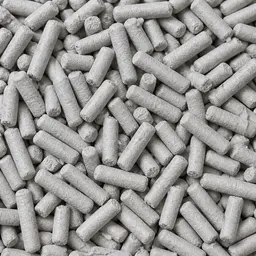 Paper-Fiber Formula
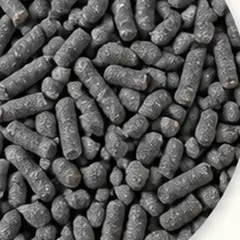 Activated-Carbon Pellet
We confirm the final pack size, material and artwork during product and packaging approval.
We develop distinct formulas and packaging for established and emerging pet brands.
We plan retail-ready pack formats and repeat-order specifications for chain stores.
We align pack size, price positioning and shelf presentation for grocery retail.
We account for shipping weight, bag protection and carton configuration for online sales.
We coordinate product, artwork and packaging requirements through a defined approval process.